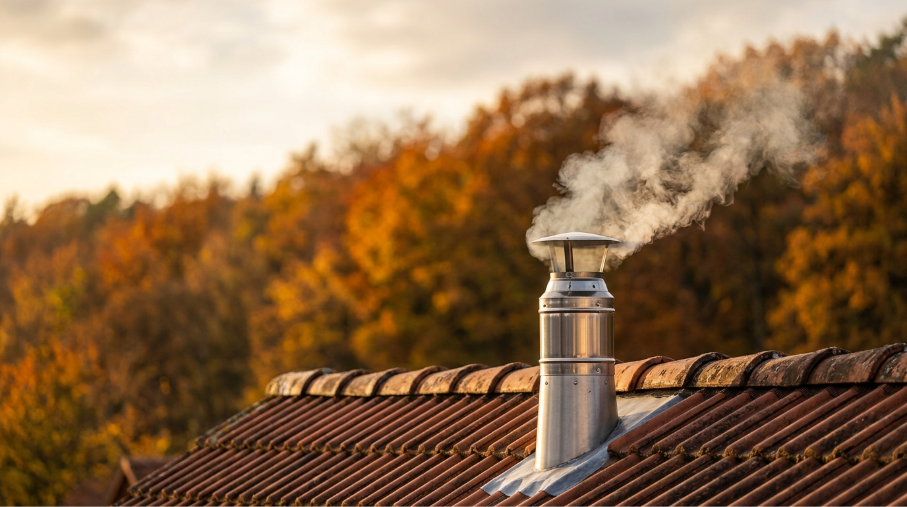
Heating with wood is a much-discussed topic - especially from an ecological point of view. The fact is: under certain conditions and prerequisites, heating with wood can be a more environmentally friendly and efficient solution compared to alternative fuels. Not least because it offers numerous advantages, such as the use of a renewable raw material and the support of local economic cycles.
However, we are of course aware that wood is also a limited resource and cannot be used to heat the whole world. In this article, we would therefore like to give you tips and advice on how you can use your fireplace in the most environmentally friendly way possible.
Positive aspects of heating with wood
Let's first take a quick look at the top 3 reasons why heating with wood is a good idea:
- Renewable raw material: unlike fossil fuels, wood is a renewable fuel that grows back. Sustainable forestry can ensure the long-term availability of wood.
- CO₂ neutrality: When wood is burned, only as much CO₂ is released as the tree absorbed during its growth. Wood is therefore considered CO₂-neutral when burned and does not contribute to increasing the total amount of CO₂ in our atmosphere.
- Regional availability: Wood is available in many regions of Germany. Short transportation routes reduce CO₂ emissions and strengthen the local economy. The shorter the transportation routes, the more efficiently wood can be used for heating.
Tips & advice: Climate-friendly heating with wood
- Choose the right wood: beech, oak, maple and birch are well suited as firewood, as they burn more evenly than other types of wood. Regardless of the type of wood, you should always make sure to use well-dried wood with a moisture content of less than 20 %.
- Efficient lighting & the right amount of wood: Stack the wood so that the larger pieces of wood are at the bottom and the kindling at the top. The so-called "top-down method" reduces smoke development and promotes even combustion. Use kindling made from natural materials and do not overload the fireplace. A fireplace that is too full burns inefficiently and produces more pollutants.
- Clean combustion through optimal heating technology: First of all, it is important that you have your fireplace and chimney cleaned and maintained regularly to ensure efficient combustion. When operating your fireplace, you should also ensure that the optimum amount of air is supplied to enable complete combustion. It is best to invest in a modern, low-emission fireplace or stove with high energy efficiency that regulates the air supply itself, for example. These stoves make optimum use of the wood and reduce the pollutants released during combustion.
- Support the sustainable and regional timber industry: Make sure to buy wood with certificates that guarantee sustainable forestry, where, for example, attention is paid to proper reforestation. It is also best to use regional wood for heating to avoid further transport routes, as CO₂ is also released during transportation. By buying regional wood, you are also supporting the local economy.
- Conscious use: only heat when you really need to and avoid overheating your living space. Conscious use of your fireplace reduces wood consumption and emissions. You can use thermostats to control the room temperature and avoid overheating.
By following these tips, you can use your fireplace more efficiently and in a more environmentally friendly way while enjoying the comfort and warmth of a wood fire.




 Environment & Law
 Environment & Law